

Quick answer
Who supplies kurtis in Shinyanga, Tanzania?
Hurain Garments Exporter (Hurain Engitech & Trade, Palanpur), founded in 2010 by Khalil Syed, is a trading and export company that supplies kurtis, made by partner factories, to buyers in Shinyanga, Tanzania. It ships FCL and LCL containers with AQL inspection and export documents at competitive prices below the average wholesale price. Minimum order is 300 pieces per design, or a half or full container; payment is 50% in advance, 50% before dispatch.
Why Shinyanga needs kurtis
Shinyanga is reached from Dar es Salaam after 3 days by road. Construction sites, factories and industrial plants around Shinyanga need coveralls, hi-vis and work shirts. Traders in Shinyanga buy garments by the carton and the container for resale across the region. Kurtis have moved beyond South Asian communities: boutiques, diaspora stores and online sellers reorder fresh prints and cuts before every festival.
Tanzania is a large market whose port at Dar es Salaam also serves Zambia, Malawi, DR Congo and Rwanda, so cargo cleared there reaches several neighbouring markets.
Ethnic, festive & diaspora wear in Shinyanga
Ethnic-wear retailers in Shinyanga stock Indian-made kurtis, leggings, dupattas and fabrics for weddings and festivals, with strong demand for new designs each season.
In Shinyanga, ethnic-wear boutiques and festival and wedding retailers buy kurtis from us mainly for boutiques and multi-brand fashion stores and diaspora and ethnic-wear retailers.
Delivery of kurtis to Shinyanga
- 1Export from Mundra or Kandla (Gujarat)Goods are inspected, export-packed and customs-cleared in India, usually within a day's drive of our Palanpur base.
- 2Sea freight to Dar es SalaamIndicative transit 12–22 days (East Africa), FCL or LCL, on FOB, CFR or CIF terms.
- 3Inland to ShinyangaAbout 3 days by road, arranged by your clearing agent or forwarder after customs clearance.
Transit times are indicative; the confirmed schedule is set out in the quotation.
Local support for buyers in Shinyanga
| Office hours | 24×7 — three 8-hour shifts, every day, so the whole Tanzania working day is covered |
|---|---|
| +91 87809 43729 | |
| Phone | +91 87809 43729 |
| [email protected] | |
| Languages | English, Hindi, Gujarati, Urdu (local language: Swahili, English) |
| Quotation | USD (TZS equivalent on request), within 1–2 business days |
Shinyanga: the market for kurtis
Shinyanga is reached from Dar es Salaam after 3 days by road. Construction sites, factories and industrial plants around Shinyanga need coveralls, hi-vis and work shirts. Traders in Shinyanga buy garments by the carton and the container for resale across the region.
Kurtis have moved beyond South Asian communities: boutiques, diaspora stores and online sellers reorder fresh prints and cuts before every festival. In Shinyanga that demand comes mainly from ethnic, festive & diaspora wear and wholesale & trading houses.
Ethnic-wear retailers in Shinyanga stock Indian-made kurtis, leggings, dupattas and fabrics for weddings and festivals, with strong demand for new designs each season.
Trading houses in Shinyanga sell on to shops and market traders, so they judge a supplier on consistent sizing, stable prices and on-time loading. We pack to the size curve of the buyer's customers and keep repeat styles in stock fabric.
Who buys in Shinyanga and what sells with kurtis
Shinyanga is served through Dar es Salaam, with 3 days by road to the city; its strongest garment sectors are workwear & safety clothing, wholesale & trading houses and ethnic, festive & diaspora wear.
Trousers & Cargo Pants: Chinos and cargo pants bridge work and weekend wear, and utility versions are bought by contractors and uniform suppliers. Many Shinyanga buyers add it to the same container.
Workwear & Corporate Uniforms: Mines, oil sites, contractors, hotels and hospitals clothe whole crews, and re-clothe them when contracts start or garments wear out. Many Shinyanga buyers add it to the same container.
Leggings: Leggings are among the highest-volume women's garments, bought by wholesalers and retailers in dozens of colours and reordered constantly. Many Shinyanga buyers add it to the same container.
Shirts: Formal and casual shirts are staple stock for menswear retailers and uniform suppliers, reordered as sizes and colours sell out. Many Shinyanga buyers add it to the same container.
Planning your kurtis order for Shinyanga
Timing decides whether kurtis sell at full price or at a discount in Shinyanga. Warm year-round with a long rain season from March to May. Demand peaks at the start of the school year in January, around Eid, Christmas and wedding seasons. For kurtis specifically, orders for Eid, Diwali, Navratri and wedding seasons are placed 3–4 months early; casual cotton kurtis sell year-round, with summer lines peaking from January. Our lead time is 30–45 days including sampling; 20–25 days on repeat designs, plus sea transit of about 12–22 days, so we advise confirming orders early enough to land the goods before the peak rather than during it.
Typical buyers of kurtis in Shinyanga include ethnic-wear boutiques in the UK, US and Gulf, online fashion marketplaces, wholesalers supplying festive stock and retail chains with a South Asian customer base. In Shinyanga, they usually order 300 pieces per design with up to 4 colours; 1,200–1,500 pieces per container order for mixed designs is common and reorder the styles that sell through, so we keep fabric, size ratios and labels on file for repeat shipments.
Fabric, fit and colour choices for Shinyanga
Because the climate in Tanzania is hot, breathable fabrics move fastest. For kurtis we recommend Cotton cambric and voile 90–120 GSM, with cotton-linen and slub cotton as a value alternative, and we keep the heavier options for the cooler months only.
Sizes: S–XXL standard, 3XL–5XL plus-size, lengths 36–48 inches; free-size short tunics for boutiques. Colours: Wide solid and print palettes with 4–6 colourways per design; festive palettes for Eid, Diwali and wedding seasons.
Buyer's checklist for ordering kurtis for Shinyanga
- Choose design count and colourways per design
- Approve print and embroidery on a sample
- Confirm length, sleeve and slit specifications
- Set the size curve and plus-size share
- Plan seasonal ordering dates for festivals
- Decide on matching bottoms and dupattas
- Check the import and labelling rules for Tanzania: imports clear through TRA with an import declaration, and goods may need a Certificate of Conformity under the pre-export verification programme; check with a local clearing agent.
- Agree Incoterms (FOB, CFR or CIF Dar es Salaam) and the payment terms: 50% advance with order confirmation and 50% before dispatch against export documents; L/C at sight can be discussed for larger orders.
How we ship kurtis to Shinyanga
Containers move by sea from Mundra, Kandla or Nhava Sheva to Dar es Salaam, about 12–22 days, then 3 days by road to Shinyanga. We quote FOB, CFR or CIF, and your clearing agent handles customs and local delivery in Shinyanga; we can coordinate with the forwarder you name.
Folded in individual polybags with design and size stickers, 40–60 pieces per carton. Before loading we share a photo, video and measurement report so you can approve what is in the container. Hand wash or gentle machine wash cold, dry in shade, iron on reverse; embroidered pieces should be washed separately.
Documents supplied with every shipment: commercial invoice, packing list, certificate of origin and bill of lading, plus test reports and compliance documents where your market asks for them. Payment terms: 50% advance with order confirmation and 50% before dispatch against export documents; L/C at sight can be discussed for larger orders.
Minimum order and container
Minimum order
300 pieces per design
Half container
Available, mixed styles
Full container
Available, FCL
Typically 300 pieces per design with up to 4 colours; 1,200–1,500 pieces per container order for mixed designs is common.
You do not need a full container to order: a half container or an LCL shipment is possible, and several garment lines can share one container and one set of export documents.
Competitive export pricing
The best price on kurtis for buyers in Shinyanga
Hurain Garments Exporter provides competitive export prices for worldwide customers, below the average wholesale price, because we buy in volume directly from our partner factories. With 16+ years of experience, we are honored to export to 50+ countries and to cooperate with 10,000+ customers around the world. Are you looking for kurtis for your brand or wholesale business in Shinyanga? Hurain Garments Exporter is your best choice. Kurtis are made in small design runs from fabrics bought in volume, so a multi-design order is priced at wholesale, with print, embroidery, length and sleeve customized. Minimum order 300 pieces per design, or a half container or a full container as per your requirement. Orders for Shinyanga are shipped as FCL or LCL with full export documents.
Factory-direct
Priced below the average wholesale rate
16+
Years of experience
50+
Countries we export to
10,000+
Customers worldwide
300 pieces per design
Minimum order, or half / full container
About us
Trusted Kurtis manufacturer, supplier and exporter for Shinyanga
Hurain Garments Exporter is a trading and export company that supplies kurtis to Shinyanga, with sampling, AQL inspection, export packing and complete shipping documents.
Our kurtis are manufactured to your fabric, fit and packing by our partner factories, and we sell and ship them to buyers in Shinyanga. Buying through us means one supplier for kurtis and for the other women's & ethnic wear you need, one inspection and one set of export documents.
16+
Years of experience
40+
Our team
10,000+
Happy customers
17
Garment product lines
50
Countries we supply
FCL · LCL
Container export, door-to-port
Our vision in Shinyanga
Our vision is to make sourcing kurtis simple and dependable for every buyer in Shinyanga: clear specifications, honest information about who makes the product, and a supplier that answers questions before and after the order.
Our mission in Shinyanga
Our mission is to supply kurtis at competitive prices, below the average wholesale price, through our partner factories and bulk buying, with transparent quotations, inspection before dispatch and reliable delivery to Shinyanga. Send your specification and quantity to get a price you can compare.
Importing kurtis into Shinyanga: local guide
Practical facts for buyers in Shinyanga, Tanzania — working days, time difference, customs system, trade-agreement duty and the seasons to plan around.
| Weekend | Saturday–Sunday (many trading firms also work Saturday mornings) |
|---|---|
| Our office hours in your time | 24×7 — three 8-hour shifts, every day, so the whole Tanzania working day is covered |
| Country calling code | +255 (our WhatsApp: +91 87809 43729) |
| Business languages | Swahili, English; we correspond in English |
| Currency | Tanzanian shilling (TZS); quotations in USD |
| Customs system | TANCIS and the Tanzania Electronic Single Window |
| Tariff framework | EAC common external tariff |
| Trade agreement with India | No India-specific trade agreement; standard (MFN) duty applies |
| Plan orders around | Ramadan and the Eid holidays, plus the Christmas–New Year period |
Leading buyer segments in Shinyanga
- Workwear & safety clothingAlso buys: Oil, gas and mining contractors, Construction and engineering firms, Factories and utilities
- Wholesale & trading housesBuys kurtis: Garment wholesalers and jobbers, Import–export trading houses, Market and bazaar traders
- Ethnic, festive & diaspora wearBuys kurtis: Ethnic-wear boutiques, Festival and wedding retailers, Modest-fashion stores
Kurtis range for Shinyanga
Types of kurtis available
- Straight-cut cotton kurtis
- A-line rayon kurtis
- Anarkali kurtis
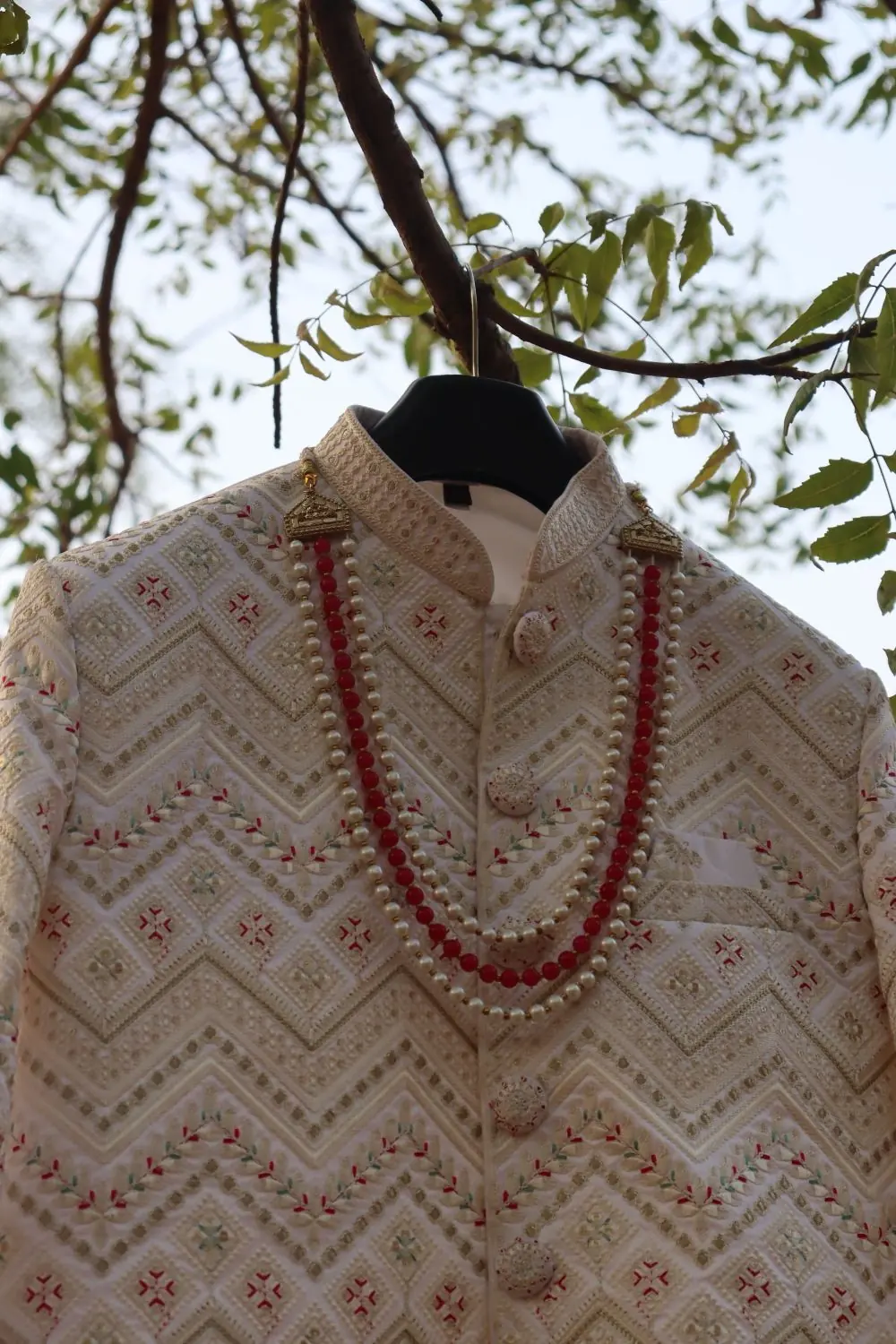
- Embroidered festive kurtis
- Block-print Jaipur kurtis
- Kurti and palazzo sets
- Short tunics and tops
- Plus-size kurtis
Standards: ISO 105 colour fastness, OEKO-TEX STANDARD 100 on request, AATCC test methods, AQL 2.5 inspection or the standard your project specifies. Imports clear through TRA with an import declaration, and goods may need a Certificate of Conformity under the pre-export verification programme; check with a local clearing agent.